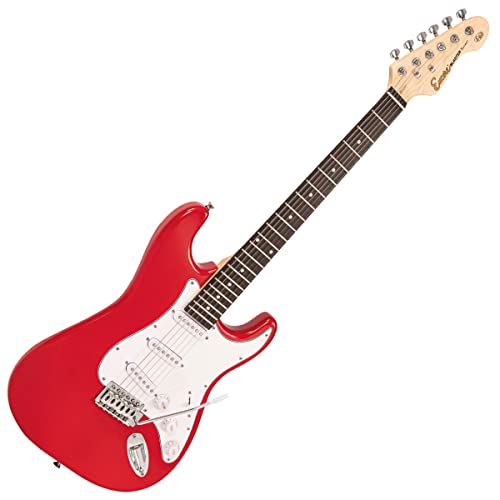
Secret Guitar Techniques to Enhance Your Skills
In 2026, the world of guitar playing continues to evolve with innovative techniques that can significantly enhance your skills and overall performance. Whether you are a novice or an experienced guitarist, mastering these secret techniques will set you apart in your musical journey. This article delves into some of the most effective methods to elevate your guitar playing, ensuring you captivate your audience and express your unique musical voice.
Advanced Fingerstyle Techniques
Fingerstyle guitar is gaining immense popularity in 2026, allowing musicians to create intricate melodies and harmonies simultaneously. This technique involves plucking the strings directly with the fingers instead of using a pick, which opens up a world of expressive possibilities. To start mastering fingerstyle, focus on the following aspects:
Proper Hand Positioning
In 2026, many guitarists overlook the importance of hand positioning when practicing fingerstyle. Ensure your right hand is relaxed, with your fingers poised to strike the strings cleanly. A common exercise is to practice simple scales using only your thumb and first two fingers. This will help you develop coordination and precision.
Incorporating Percussive Elements
Adding percussive elements to your fingerstyle playing can enhance your rhythm and dynamics. In 2026, many guitarists are incorporating body taps and slaps into their performances. For instance, while playing a chord progression, you can tap your palm on the guitar body to create a rhythmic backbeat. This technique not only enriches your sound but also engages your audience visually.
Exploring Alternate Tunings
Alternate tunings have become increasingly popular among guitarists in 2026, offering fresh perspectives on chord voicings and melodies. Experimenting with different tunings can inspire creativity and innovation in your playing. Some popular alternate tunings include:
- Open G Tuning: This tuning allows for easy access to major chords and is ideal for slide guitar.
- Drop D Tuning: This tuning enhances power chords and is often used in rock and metal genres.
- C6 Tuning: Common in folk music, this tuning provides rich harmonic possibilities.
When exploring alternate tunings, begin by learning familiar songs in different tunings. This will help you understand how chords and scales shift, allowing you to develop a more versatile playing style.
People Also Look For:
- 12 Pieces Guitar Picks,Plectrums,Guitar Picks Acoustic,3 Different Thickness Colorful Pick Non-slip Plectrums,0.5mm 0.75mm 1.0mm H...
- DWPVT 2 Pack Audio Adapter Head Gold Plated 6.35mm (1/4 Inch) Male To 3.5mm (1/8 Inch) Female, Audio Stereo TRS Converter Adapters...
- Missmore Metal Strap Lock Buttons End Pins with Mounting Screws for Electric Acoustic Guitar, Bass, Ukulele, Black-2 Pack
- pickpiff Necklace Holder jewellery Stand Organizer for Necklaces and Bracelets, Metal Display Stand, Gift for Women, Ideal for Hom...
- Pink Sgt. Pepper Inspired Fancy Dress Set - Small - Jacket, Wig, Inflatable Union Jack Guitar, Round Glasses, Moustache & Peace Ne...
Improvisation Techniques for Soloing
Improvisation is a crucial skill for any guitarist looking to create engaging solos. In 2026, many musicians are focusing on developing their improvisational skills to perform with confidence and creativity. Here are some key techniques to consider:
Utilizing Pentatonic Scales
The pentatonic scale is a staple for soloing, and mastering it is essential for guitarists in 2026. Start by practicing the scale in various positions across the fretboard. This will help you become familiar with the notes and their relationships, enabling you to create fluid and melodic solos.
Incorporating Chromatic Runs
Adding chromatic runs to your solos can create tension and interest. In 2026, guitarists are using chromaticism to enhance their improvisation. Practice incorporating chromatic runs between pentatonic notes to add flavor to your solos. For example, if you are soloing over a C major chord, try connecting notes from the pentatonic scale with chromatic passing tones.
The Power of Harmonics
Harmonics are often underutilized by guitarists, yet they can add a unique layer to your playing. In 2026, incorporating natural and artificial harmonics into your repertoire can make your music stand out. Here’s how to effectively use harmonics:
Natural Harmonics
Natural harmonics are produced by lightly touching the string at specific points while plucking it. Start practicing at the 5th, 7th, and 12th frets to create bell-like tones that can enhance your playing. This technique works beautifully in acoustic settings and can create a serene atmosphere in your music.
Artificial Harmonics
Artificial harmonics involve fretting a note and then lightly touching the string with your index finger while plucking it with your thumb. This technique can create striking sounds that capture your audience's attention. Integrate artificial harmonics into your solos to add a touch of sophistication and complexity.
Rhythmic Variations and Dynamics
In 2026, understanding rhythm and dynamics is crucial for any guitarist looking to enhance their skills. The way you approach rhythm can make a noticeable difference in your playing style. Focus on these aspects:
Syncopation Techniques
Syncopation introduces unexpected rhythms into your playing, creating interest and excitement. Practice playing off-beat accents in your strumming patterns or fingerstyle arrangements. For instance, if you are playing a standard four-four rhythm, try placing accents on the off-beats to create a more dynamic feel.
Dynamic Playing
Dynamic contrast is vital in creating emotional depth in your music. In 2026, guitarists are encouraged to vary their picking strength and volume. For instance, during a quiet verse, play softly to convey intimacy, then build intensity during the chorus for a powerful effect. This approach can captivate listeners and enhance the storytelling aspect of your music.
Building Your Unique Style
As you explore these secret guitar techniques, it is essential to develop your unique style. In 2026, individuality in music is celebrated more than ever. Take time to experiment with different genres, techniques, and influences. Combine elements from various styles to create something that resonates with your musical identity. Record your practice sessions and review your progress regularly to identify areas for growth. This will help you stay motivated and inspired to continue evolving as a guitarist in this ever-changing musical landscape.
As you delve into these advanced techniques, remember that consistent practice and exploration are key to mastering your guitar skills. Embrace the journey of discovery and allow your passion for music to guide you in 2026 and beyond.